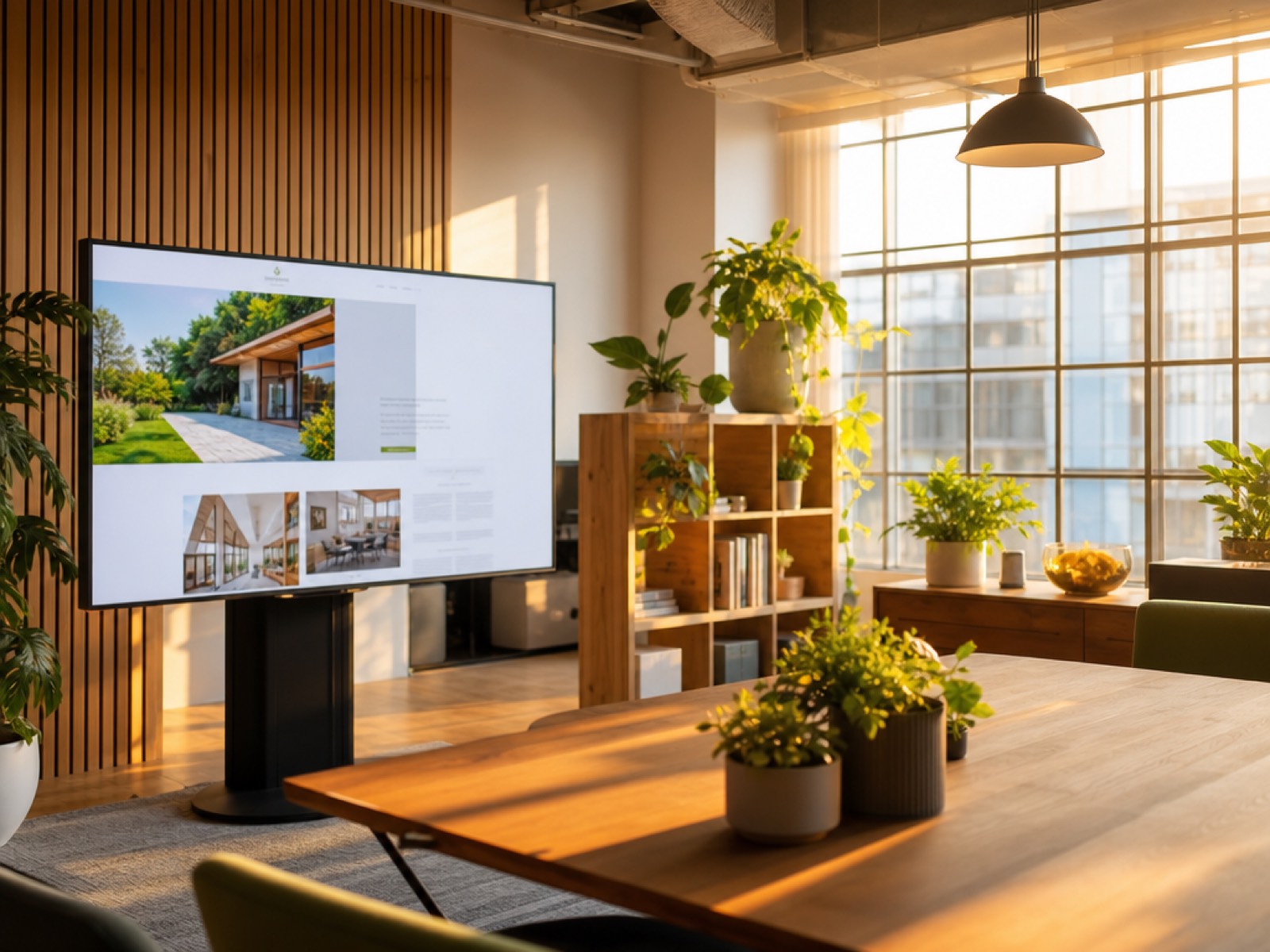
My first paying client runs Watalam Guatemala, a community ecotourism venture near Antigua. She needed a website that reached international travellers who do not read Spanish, and that actually took bookings. Here is how that build went, and the review it earned me.
I want to be upfront before anything else. I am early, and paying clients so far number one. This is that client. It is a real project, and the words below are real, which matters more to me than a longer fake portfolio ever would.
The problem: travellers, not local readers
Watalam’s guides lead real adventures, hiking and community experiences. Their guests come from all over, and most do not read Spanish. A Spanish-only site, or a clunky half-translation, would turn those visitors away before they ever saw a price.
On top of language, the booking step had to be easy. A traveller in another time zone should not have to email, wait a day, and hope. The site had to feel trustworthy enough for a stranger to reach out.
The build: clear, bilingual, and booking-ready
I put together a professional bilingual website for her with the pieces that mattered:
- A clean English and Spanish switch, so every visitor reads it in their own language
- Adventure tours listed with real prices in Quetzales, no vague “contact for pricing”
- A photo gallery, because this is a venture you see before you trust it
- Traveller reviews up front
- WhatsApp booking in one tap, so ghosting a booking is not an option
Prices are the part I am most careful about. Sellers hate “contact for pricing”, and travellers do too. Showing the actual cost on the page builds trust and filters for serious enquiries.
The review she left unprompted
When the site was live and working, she left this on Google without me even asking:
Luna built the website for our ecotourism project, Watalam Guatemala. She understood what we do from the first conversation and never made it technical. The site is in English and Spanish, our adventures show prices in Quetzales, and travelers can book us straight on WhatsApp. It looks professional and it finally feels like us. If you need a website for a small business here, talk to her.
That line, “it finally feels like us”, is the whole job. A website is not decoration. It is how a small business shows who it is to people who have never met them.
Why this case matters for your business
You do not run an ecotourism venture, maybe. The takeaway is the same for any owner who serves customers in more than one language or relies on easy bookings.
If your site is English-only while your customers think in Spanish, or Spanish-only while they think in English, you are invisible to half of them. If your prices are hidden behind a contact form, you are paying for friction that shuts down serious enquiries.
The good news is this does not require a big redesign. It can be one focused build, a professional bilingual site that puts your offer in front of the right readers and makes the next step obvious.
Try it, or just look
Look first. This same project, with the review, is one of the four case studies on the portfolio, told honestly.
Start free. Grab the Quick Log post-call entry template if you take enquiries at all, it keeps every one from slipping.
See the website. Watalam is live at watalamguatemala.com, or message me to talk about yours.
Read more on why every small business needs a site. The reasons this still holds, from a developer who has seen the difference a single bilingual project makes.
Once the site exists, it needs to keep working for you. The Content Engine is the one-time setup that keeps it fresh in Google and in front of buyers.
If you are ready to give your business the same first impression, start the conversation here, and I will tell you honestly what helps and what does not.
The Product Behind This Article
Everything above is what this does in practice. Here is the product that does the work.